Accident Recovery & Winching
Professional recovery for vehicles in ditches, off-road, or accident scenes.
What Is Accident Recovery
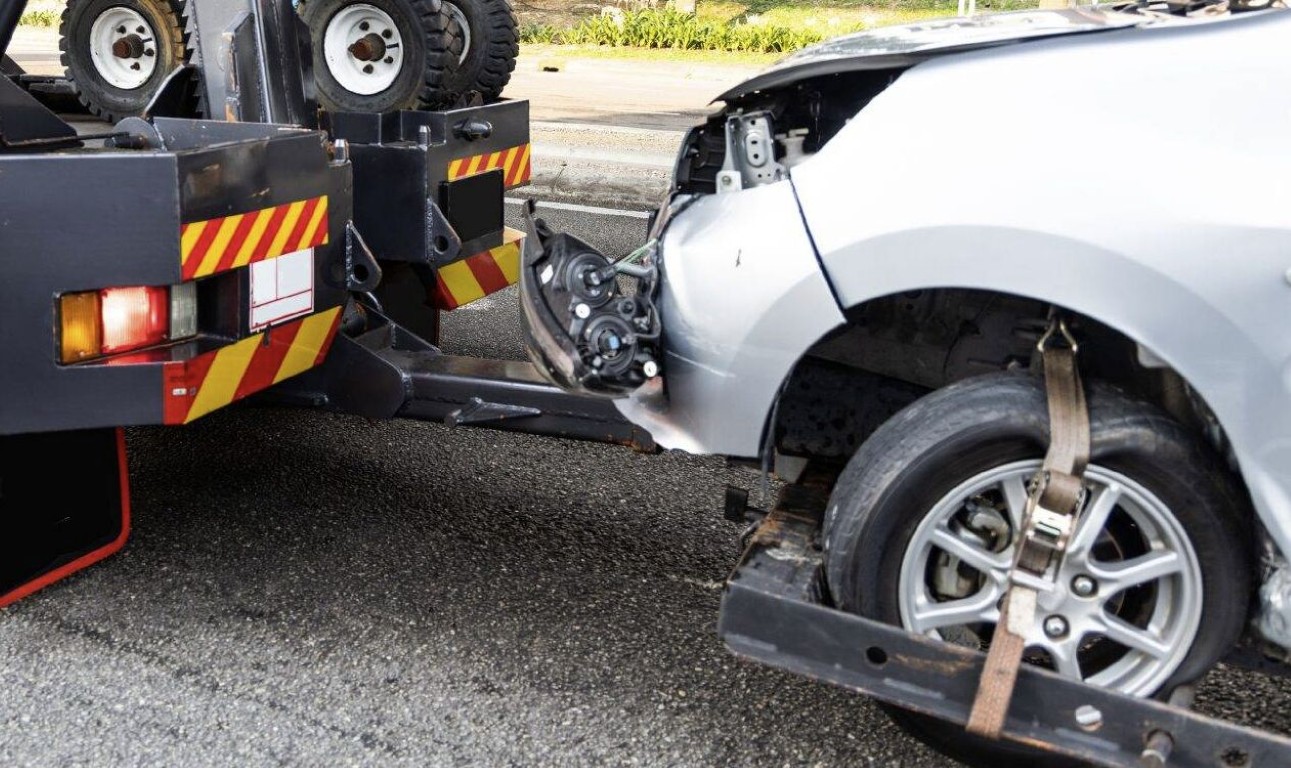
Accident recovery is a specialized towing service that focuses on safely removing vehicles from accident scenes, ditches, embankments, and other difficult situations. When a car leaves the road or gets stuck in a position where it cannot be simply driven or towed away, you need accident recovery. This service combines towing services in Edina, MN with winching, rigging, and sometimes even heavy equipment to extract vehicles safely without causing additional damage. Our team at EliteEdge Edina Towing is trained and equipped to handle these complex recovery situations.
Accident recovery is different from standard towing because it often involves vehicles that are not sitting on flat, stable ground. Your car might be nose-down in a ditch, stuck on an embankment, or tangled in guardrails and debris. Simply hooking a tow strap to the vehicle and pulling can cause serious damage to the frame, suspension, or body panels. Professional accident recovery uses winches, pulleys, and anchor points to carefully lift and maneuver the vehicle back to solid ground. This requires skill, experience, and an understanding of physics and vehicle dynamics.
Minnesota winters make accident recovery especially important in our area. Icy roads cause vehicles to slide off highways and into ditches regularly. Snow can hide the edges of roads, leading drivers into soft shoulders or frozen ditches. When you are stuck in snow, mud, or ice, you cannot just drive out. You need a professional recovery service with the right equipment to pull your vehicle free. We respond to accident recovery calls 24/7 because we know these situations do not wait for convenient times. Whether it is a minor slide-off or a serious accident with rollover damage, we have the tools and expertise to recover your vehicle safely.
How Winching Works
Winching is the primary tool we use for accident recovery. A winch is a powerful motorized cable system mounted on our tow trucks that can pull thousands of pounds with controlled force. The winch cable is attached to your vehicle at a strong anchor point, such as a tow hook or frame member. Then the winch slowly pulls the vehicle toward the truck, moving it out of the ditch, up an embankment, or away from obstacles. The key to safe winching is using the right attachment points, the correct pulling angle, and steady controlled force that does not shock or jerk the vehicle.
Sometimes a single winch pull is not enough. If your vehicle is stuck at a bad angle or buried deep in mud or snow, we use snatch blocks and pulleys to multiply the pulling force and change the direction of the pull. This advanced rigging allows us to recover vehicles from positions that seem impossible. Our drivers are trained in proper rigging techniques and understand how to set up multi-point recovery systems. They also know how to read the situation and adjust the plan if something is not working. Every recovery is different, and we adapt our approach based on the vehicle position, terrain, and conditions.
Here are some common situations where winching is necessary:
- Vehicle slid off the road into a ditch or embankment
- Car stuck in deep mud, snow, or sand
- Vehicle rolled over or ended up on its side
- Car stuck against a guardrail or other obstacle
- Vehicle nose-down in a steep ditch or ravine
- Car stuck in a parking lot snowbank or ice ridge
Winching requires patience and precision. Rushing the process or using too much force can damage your vehicle or make the situation worse. Our drivers take the time to assess the scene, plan the recovery, and execute it carefully. We also work with law enforcement and emergency responders when necessary to ensure the recovery is done safely and does not interfere with accident investigations or traffic control. If you need emergency towing combined with recovery services, we handle the entire process from extraction to transport.
Working with Insurance After an Accident
If your vehicle was involved in an accident, your auto insurance may cover the cost of recovery and towing. Most comprehensive and collision policies include towing and recovery as part of the coverage, but the specific details vary by policy. When you call us for accident recovery, let us know if you plan to file an insurance claim. We work with insurance companies regularly and understand what documentation they require. We can provide itemized invoices, photos of the accident scene, and any other paperwork your insurer needs to process the claim.
After we recover your vehicle, you can choose where you want it taken. If the car is drivable after extraction, we can tow it to your home. If it needs repairs, we can take it to your preferred body shop or repair facility. If your insurance company has specific requirements about where the vehicle should go, we can accommodate that as well. Some insurers have preferred towing companies or storage facilities, but you generally have the right to choose your own service provider. We never pressure you to use a specific repair shop or storage location.
Documentation is critical for insurance claims, especially after accidents. Before we begin the recovery, our driver documents the condition of your vehicle with photos and notes. This creates a record of the damage that existed before our work began. After the recovery is complete, we document the vehicle again to show its condition after extraction. This protects both you and us by clearly showing what happened during the recovery process. If any additional damage occurs during recovery, which is rare but possible in complex situations, we address it immediately and work with your insurance company to resolve it.
We also provide flatbed towing after accident recovery when needed. If your vehicle has frame damage, suspension damage, or missing wheels, flatbed transport is the safest option. We load the entire car onto the flatbed so no wheels touch the ground during transport. This prevents further damage and ensures your vehicle arrives at the repair shop in the same condition it was in after recovery.